Live today
Proven in production.
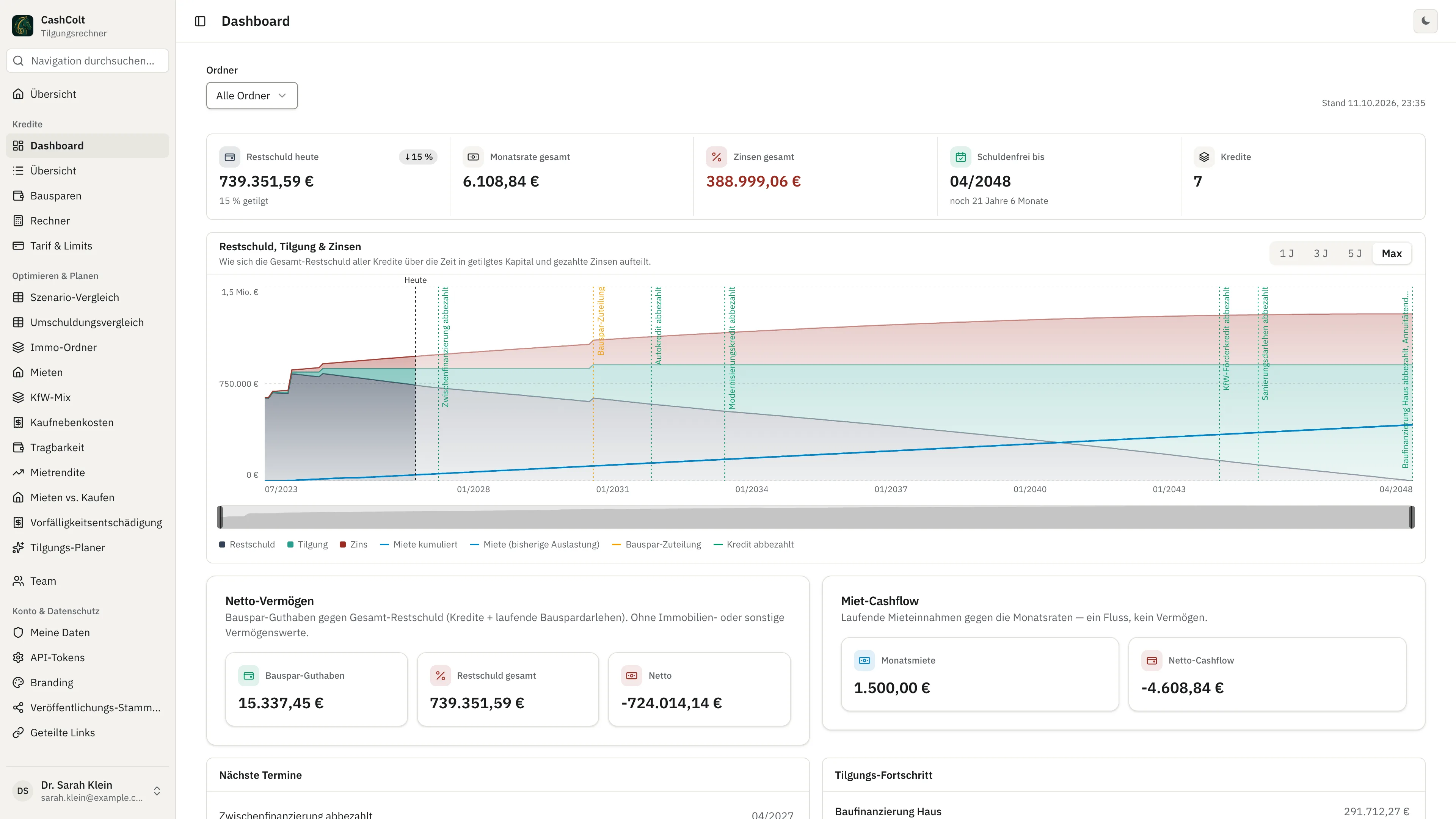
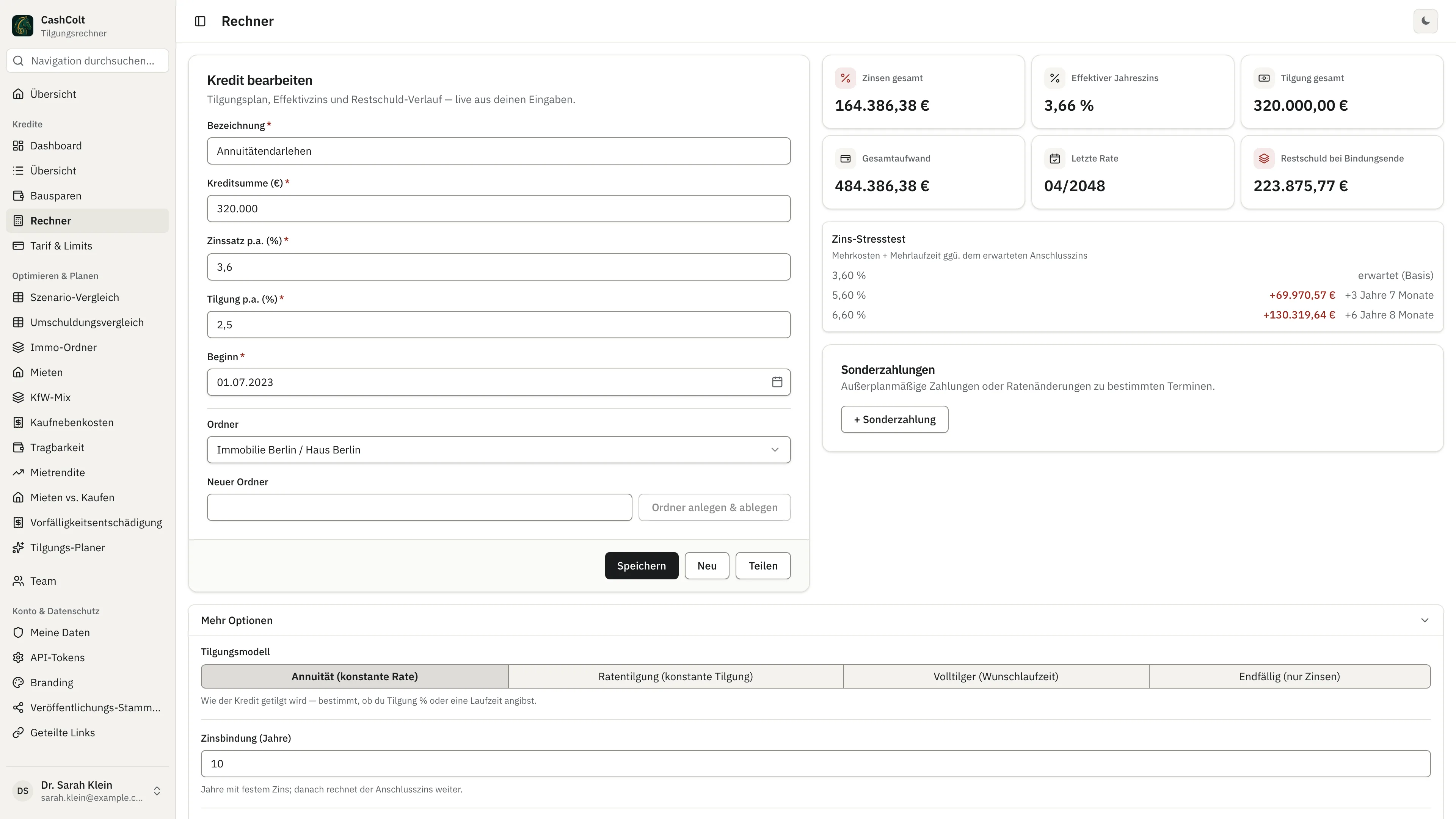
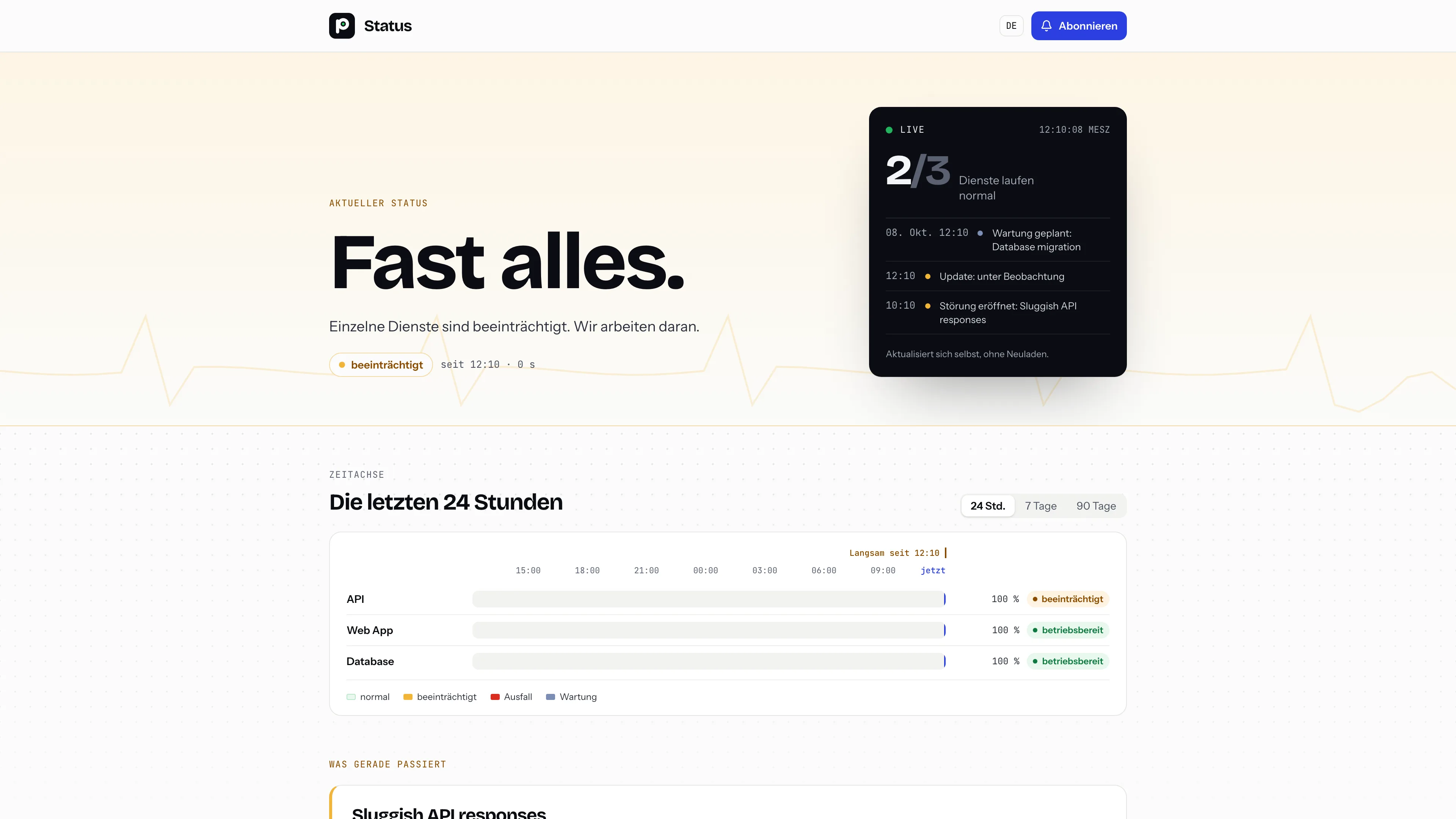
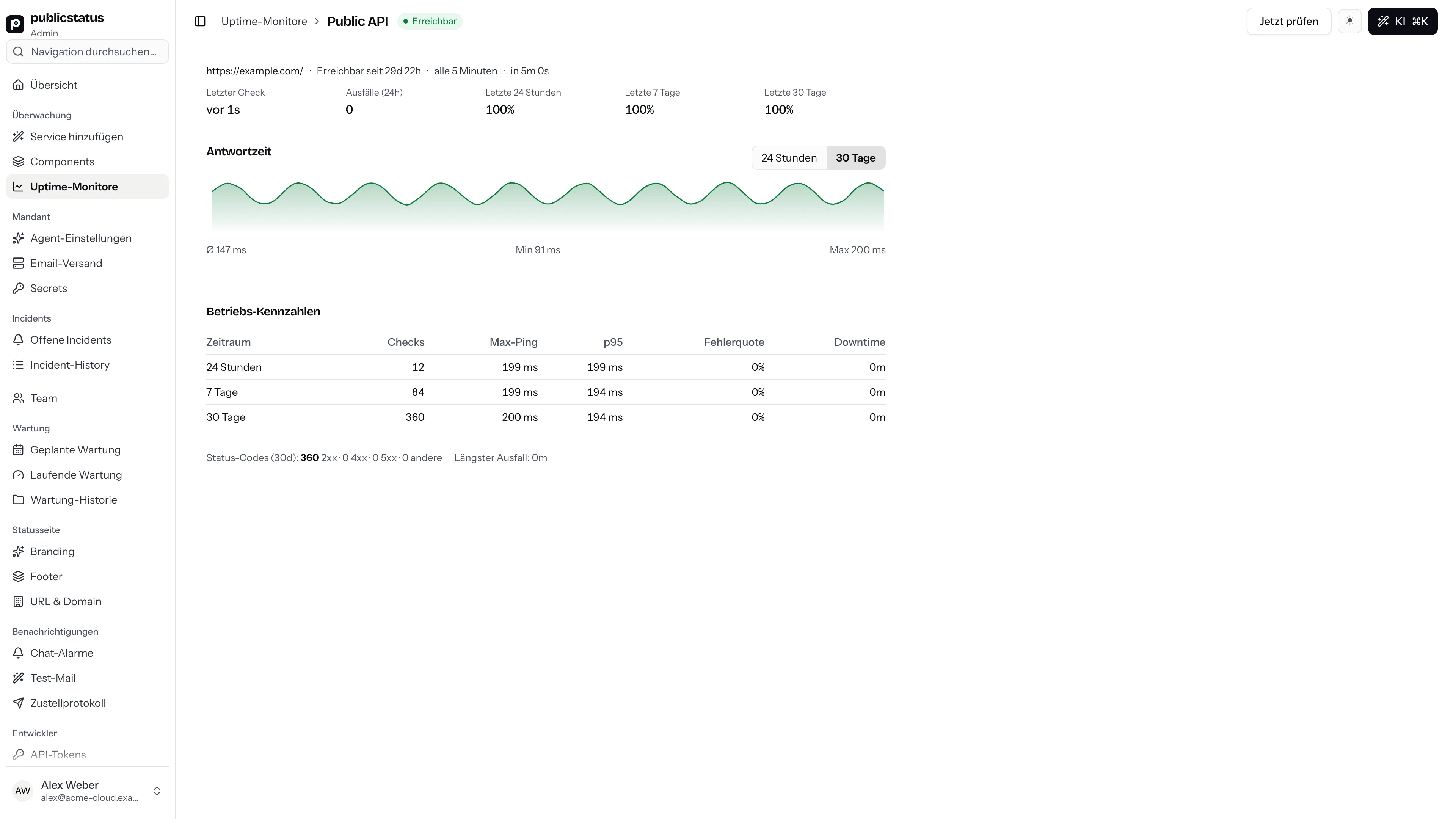
PublicStatus, Offlot and CashColt run on the same packages you install from npm. Multi-tenant, with real users.
See the live showcases →Schema, auth, roles, audit log, multi-tenancy and realtime updates as TypeScript code. You only write what makes your application different.
Live today: publicstatus.eu, offlot.app, cashcolt.kumiko.rocks · Code and data exportable, self-hostable
New to Kumiko? Build your first real app → the Show Pony tutorial
Tenant
8D report · batch 44-912
defineFeature({
  name: "complaint",
  entities: ["Report", "Action"],
  roles: ["quality", "supplier"],
  audit: "event-sourced",
})
already included
Auth & roles
Tenant isolation
Audit trail
Search & files
Featured build · built with Kumiko
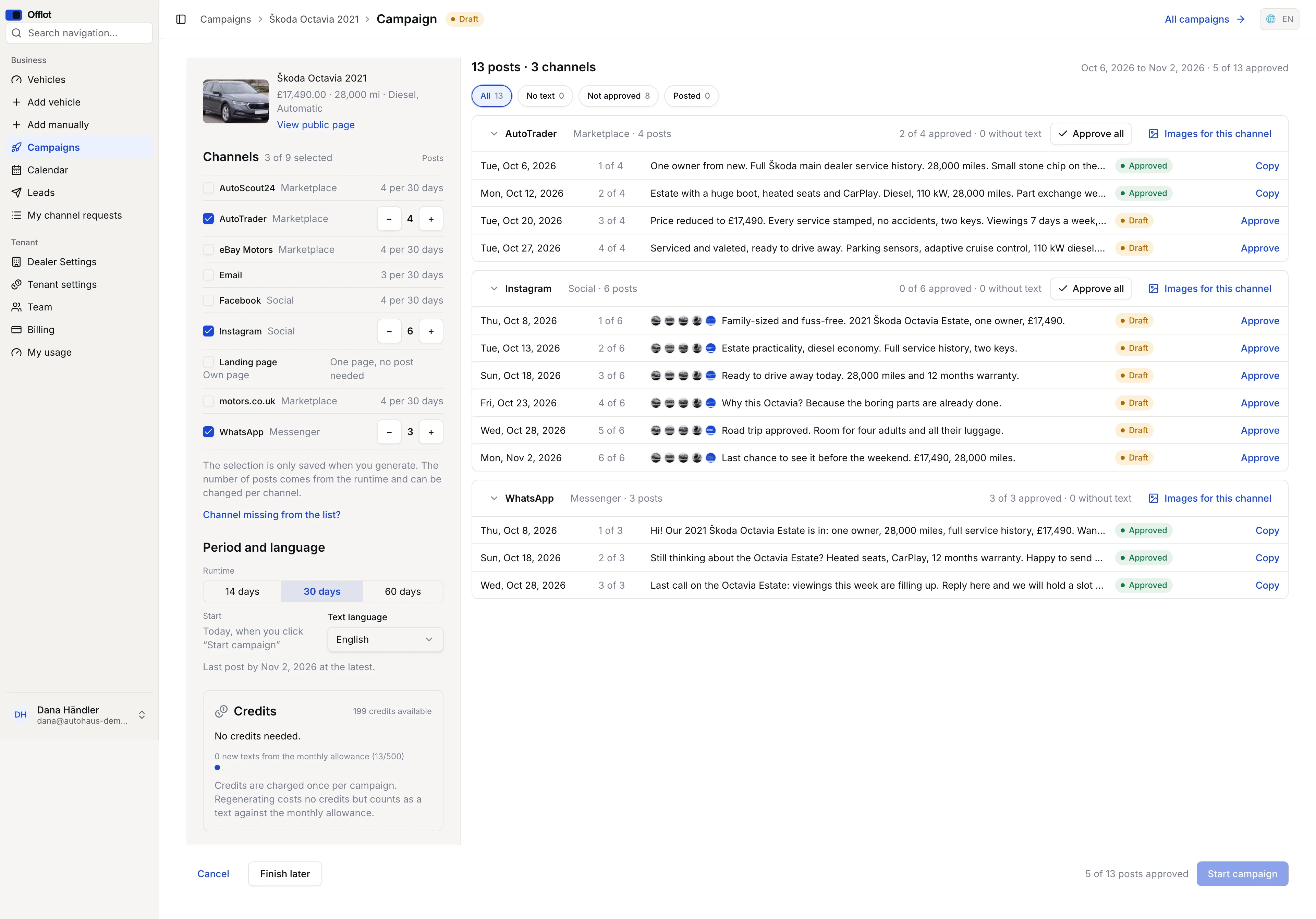
Offlot connects VIN-photo reading, number-plate detection and channel-specific copy generation to a complete used-car workflow: vehicles, campaigns, calendar, public vehicle pages and leads.
The workflow
3
AI pipeline steps
21
app-owned feature modules
147
test files
54
integration tests
34 days
visible repository history
Facts from the current offlot-app repository. The 34-day figure describes visible Git history, not claimed engineering effort.
Why Kumiko
Kumiko already covers the hard parts of business software: tenants, sign-in, permissions, files, search and change history. Your time goes into the logic that makes your app yours.
Live today
PublicStatus, Offlot and CashColt run on the same packages you install from npm. Multi-tenant, with real users.
See the live showcases →Developer flow
defineFeature and createEntity describe entities, access rules and screens. Tables, handlers, validation and a CRUD UI follow from that, with strict types throughout.
Start the tutorial →Hosting posture
Run your application on your own server, at a host of your choice or in your own cluster. You choose the AI models and providers that meet your requirements.
How multi-tenancy works →Lock-in posture
You can export code and data, the framework is public on GitHub and npm. Upgrades ship with migration notes and codemods via bunx kumiko-upgrade.
Lean operations
Kumiko uses TypeScript, Bun and Postgres instead of a heavy enterprise stack. Your application gets the building blocks it needs, not an oversized infrastructure.
See the technical foundation →Is Kumiko the right fit?
Kumiko works best for multi-user business software where data, permissions and traceability matter.
Updates
The new helpdesk feature takes questions, contact requests and problem reports from the website and from inside the app. The app's SystemAdmins get a mail without personal data and answer from an inbox of their own.
Apps declare which events leave the system as webhooks, and personal access token scopes release them. kumiko api-docs writes the HTTP API reference and an OpenAPI 3.1 file from the same registry, and fails in CI when the docs fall behind the code.
The opt-in feature tenant-inactivity mails the owners of an unused account before a deadline, for example 30 and 7 days ahead, and then files the regular deletion request with its waiting period. Data under a retention period stays until that period ends.
Showcases and product builds
Screenshots from products built end-to-end on Kumiko, including Offlot, where AI steps are embedded in a used-car campaign workflow.
Start with bun create kumiko-app or the Show Pony tutorial. Questions go straight to the maintainer.